

Quick Summary
The best work gear nurses can wear on long shifts combines stretch that moves with you, a fit that holds through twelve hours of bending and reaching, and pockets that keep essentials in reach. Green Hip's seven picks are all built on the same cotton-spandex drill twill, so pieces mix and match across the week. Check fit with reach, sit, and squat tests before you commit.
- Pants are made from a 290 gsm drill twill that is 98% cotton and 2% spandex.
- Tops are built from a lighter 150 gsm drill twill with the same cotton-spandex blend.
- Run the reach, sit, and squat tests to check fit before buying.
- Check hem length with your actual work footwear on, not in bare feet.
- Wash inside out in cool to warm water and avoid high-heat drying to protect elastic.
Table of Contents
- What Makes Work Gear Comfortable for Nurses on Long Shifts
- How to Choose Nursing Scrubs That Fit Your Body and Your Shift
- Scrub Fabric for Long Shifts: Stretch, Breathability and Durability
- Nursing Workwear with Pockets: Keeping Essentials Within Reach
- Comfortable Work Gear Picks for Nurses from the Green Hip Range
- Head-to-Toe Gear Checklist and Caring for Your Workwear
- Building Your Next Set of Work Gear Around Your Shifts
- Frequently Asked Questions
7 Comfortable Work Gear Picks for Nurses on Long Shifts
Last Updated: November 1, 2026
What Makes Work Gear Comfortable for Nurses on Long Shifts
Comfortable work gear for nurses comes down to three things: how the fabric moves with you, how the fit holds up across a twelve-hour shift, and whether the pockets keep essentials where you can reach them. The right work gear nurses rely on should handle all three without compromise. A shift that starts well can still end badly if your clothing pulls, rides up or restricts your reach.
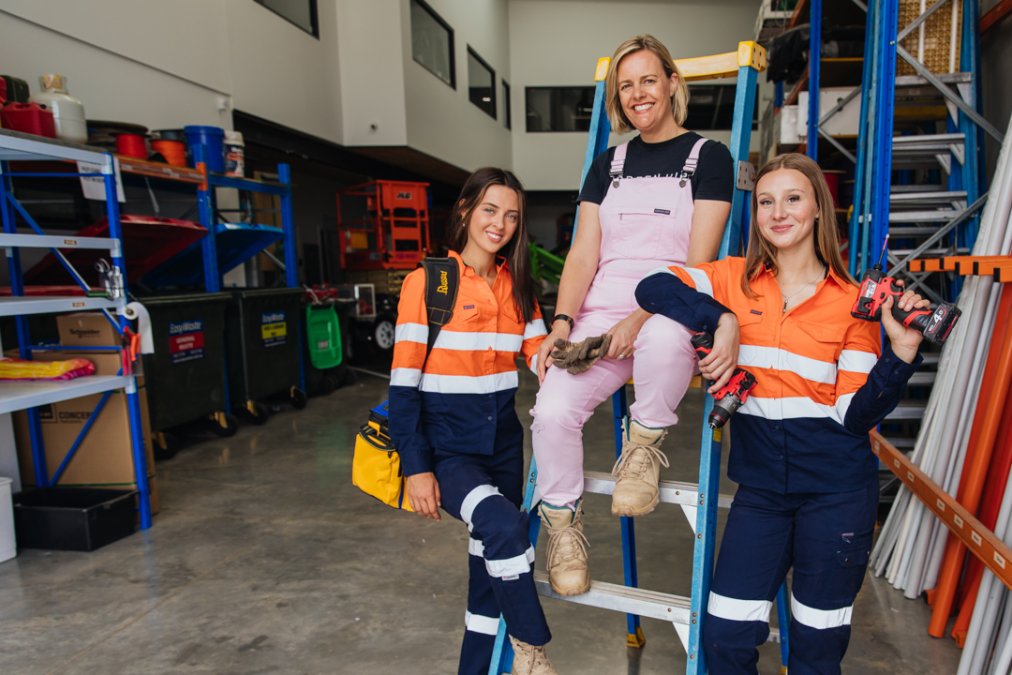
A typical shift asks you to bend, lift, kneel, reach overhead and walk for hours on hard floors. Clothing that feels fine in a fitting can feel very different by hour nine, that gap between how a garment looks and how it performs under sustained movement is where most uniforms fall short.
Comfort also has a practical side: fabric that traps heat leaves you flushed and irritable, rubbing seams create friction you only notice at home, and badly placed pockets mean hunting for a pen or scissors.
How to Choose Nursing Scrubs That Fit Your Body and Your Shift
Fit matters more than most people expect. A top that fits the shoulders but pulls across the bust or bunches at the waist will cause problems within hours, however good the fabric. Aim for a fit that stays put through bending, lifting, kneeling and reaching for twelve hours.
Start with measurements, not your usual size. Record bust, waist, hip, inseam and rise in the underwear you would wear on a shift, then compare against the brand's size guide rather than assuming you match other labels.
Diagnose the fit before you commit
A fit problem usually shows up in one of four places. Use this quick diagnosis when you try pieces on:
- Pulls across the bust or back: the top is too small through the chest, or the armhole is cut too high. Size up or look for a style with more room through the shoulder.
- Waistband digs in when seated: the rise is too low or the waistband has too little give. A higher rise with an elastic waistband usually solves this.
- Hem drags or rides up: the inseam is wrong for your height, or the leg is cut for a different shoe height. Check the hem with your actual work footwear on.
- Bunches at the hip or thigh: the garment is cut for a straighter shape than yours. Look for a style with more flex through the hip.
The three tests that matter
- Reach test: raise your arms overhead and bend forward. Nothing should lift or strain, and the top should not ride up over your waistband.
- Sit test: sit as you would at a nurses' station and check the waistband and hem; the fabric should not pull tight across the lap.
- Squat and kneel test: the fabric should move with you rather than fight you, and the knees should not pull the hem up.
Length, rise and layering
Length catches many nurses out. Check the hem with your work footwear on rather than in bare feet. Some Green Hip pants include a hem that can be extended by 2.5 to 3 cm if you need more length.
Rise matters as much as length. A high rise keeps the waistband above the hip bone, which suits nurses who bend and squat often because the pant stays in place.
If you wear a long sleeve top underneath or a cardigan over, allow for that when sizing. A top that fits perfectly on its own can feel tight once you add a layer.
Buy for the body you have now
Buy for the body you have now, a well-cut piece should feel comfortable standing, sitting, bending and reaching before you leave the fitting room.
Scrub Fabric for Long Shifts: Stretch, Breathability and Durability
Fabric is where comfort either holds up or quietly fails. The Green Hip pants in this guide are made from a 290 gsm drill twill that is 98% cotton and 2% spandex. See the durable workwear guide for female gardeners for how fabrics like this hold up to repeated wear and washing.
Weight matters as much as composition. The 290 gsm pants are the heavier fabric, while the 150 gsm shirts are the lighter option.
Green Hip's pants are crotch-sewn with twin needles for extra strength, and the pants and shirts featured here are pre-shrunk.
Nursing Workwear with Pockets: Keeping Essentials Within Reach
On a shift, you need your pen, scissors, phone and a few small tools within reach without stopping to search.
The Green Hip Light Weight Shirt Extended Short Sleeve includes front pockets with a pen holder, so your pen stays put when you bend or reach.
For bottoms, the Mid Rise Pants Give Cargo give you cargo-style pockets for carrying more. The High Rise Pants SKNY Flex carry multiple utility pockets and an elastic waistband.
High Rise Pants SKNY Flex ‘Every Woman Utility’ →
Comfortable Work Gear Picks for Nurses from the Green Hip Range
**1. You can view the High Rise SKNY Flex pants and compare the tailored fit.


**2. You can view the Give Cargo pants to see where each pocket sits.

**3.
4. High Rise Pants Original 'Gardener Gal', $74.35 AUD A narrow-leg, high rise pant with a normal jean-style waistband.
**5. You can view the Land Roamer short sleeve shirt and check its fit for yourself.

**6. You can view The Essential long sleeve shirt to see the sleeve tabs up close.
Head-to-Toe Gear Checklist and Caring for Your Workwear
Before you build a shift kit, run through this checklist covering the pieces most nurses reach for across a week.
- Pants with stretch that allows full squat and reach
- At least one top with front pockets and a pen holder
- A layer for cooler wards or night shifts
- Pants with pockets sized for your daily essentials
- Hem length checked with your actual work footwear
- Reflective or visibility gear if you commute or work in low light
- A spare shirt for shifts that run long or get messy
- A change of socks for long shifts on hard floors
- A small pouch or belt clip for scissors and pens if your pockets are full
Care that extends the life of your gear
Care is where most workwear quietly loses its fit and finish. Pre-shrunk fabric helps the fit you try on stay the fit you keep, provided you wash it sensibly.
- Wash cool to warm. Hot water stresses elastic and spandex over time and can cause cotton to shrink unevenly. Follow the care label on each garment.
- Avoid high-heat drying. Tumble drying on high heat weakens elastic and spandex and speeds up fading. Line dry or use a low setting.
- Wash inside out. This protects the surface, reduces pilling and keeps colours from fading against other garments.
- Close zips and fasten buttons before washing. Open zips and loose buttons catch on other items and cause pulls.
- Treat stains promptly. For most ward stains, blot rather than rub, rinse in cool water and wash as soon as you can. Hot water can set a stain that cool water would have lifted.
- Rotate your pieces. Rotating between two or three pants and tops means no single item takes all the wear, which spreads the load and extends the life of the whole set.
Lifespan and the real cost of your gear
Lifespan is part of the cost. Pre-shrunk fabrics are designed to hold their fit through washing.
A practical way to judge value is to divide the price by the number of shifts you expect the garment to last. Use that calculation to decide where to spend more and where to save.
When to replace a piece
Even well-cared-for gear has a lifespan. Replace a piece when the fabric thins at the knees or seat, the waistband loses its elasticity, seams start to pull, or the colour fades past looking professional. A small repair, such as re-stitching a seam or replacing a button, can add months before you need to replace it.
Here is a quick reference for keeping your workwear fitting well and lasting longer.
| Care step | How to do it | Why it helps |
|---|---|---|
| Wash temperature | Cool to warm, per care label | Hot water stresses elastic and spandex |
| Drying | Line dry or low heat | High heat weakens elastic and speeds fading |
| Washing inside out | Turn garments before washing | Reduces pilling and protects colour |
| Before washing | Close zips, fasten buttons | Prevents catches and pulls |
| Stains | Blot, rinse in cool water | Hot water can set a stain |
| Rotation | Rotate two or three pieces | Spreads wear across the set |
Building Your Next Set of Work Gear Around Your Shifts
Start with what you wear most. Long day shifts may be covered by a lightweight shirt and a comfortable stretch pant; night shifts in cooler areas call for a long sleeve layer and reflective gear for the commute.
A simple approach is to match each piece to a shift type: one reliable pant for everyday wear, one specialised pant for a specific need such as visibility or extra pockets, and two tops covering warm and cool conditions. This keeps your wardrobe tight and avoids pieces you will rarely wear.
Your next set of gear should fit your body, suit your shifts and keep your essentials close. Start with one piece that solves your biggest problem, then build from there.
Frequently Asked Questions
What should nurses wear for a long shift?
Choose breathable, stretch-based clothing with a relaxed but tailored fit that lets you bend, reach and kneel without restriction. Many nurses favour a lightweight shirt or scrub top with a cotton stretch blend and a pair of pants with a secure waistband and practical pockets. Pick colours and cuts you can wear through repeated washes, and carry at least two sets so one is always clean and fresh for your next shift.
What fabric is most comfortable for nursing scrubs?
A cotton stretch blend is a practical choice for most nurses because it breathes well and moves with the body. Pre-shrunk drill twill, such as the 98% cotton and 2% spandex fabric used in several Green Hip pants and shirts, holds its shape through repeated laundering. Lightweight fabrics around 150gsm suit warmer days, while heavier weights around 290gsm give more structure for physically demanding roles.
How should nursing scrubs fit?
Scrubs should allow full range of motion without pulling at the shoulders, hips or knees. Check that the top sits comfortably when you reach overhead and that the pants do not gap at the waist when you crouch. A high-rise or mid-rise cut with an elastic back waistband often suits varied body shapes, and a hem you can adjust by 2.5cm to 3cm gives a useful margin for different footwear.
How many sets of scrubs should a nurse have?
Most nurses working regular shifts find that three to four sets is a workable rotation, so one set is always in the wash while the others are in use. If you work long shifts or several days in a row, a fifth set can help. Choosing a consistent colour and style across sets makes it easier to mix and match and to keep track of what needs replacing as fabric wears.
