

Last Updated: October 24, 2026
Quick Summary
To choose maternity workwear, plan by trimester: keep your regular clothes in the first trimester, buy one or two stretchy work pants and a longer shirt in the second, then add layers and a jacket that closes over your bump in the third. Check the size guide against your current measurements and choose soft cotton stretch fabric with an adjustable waistband.
- Wait until the second trimester to buy most maternity workwear pieces.
- Buy for your current measurements, not your pre-pregnancy size.
- Cotton-rich drill with a small amount of spandex stretches, breathes and lasts.
- With two bottoms, three tops and one layer you get twelve outfits.
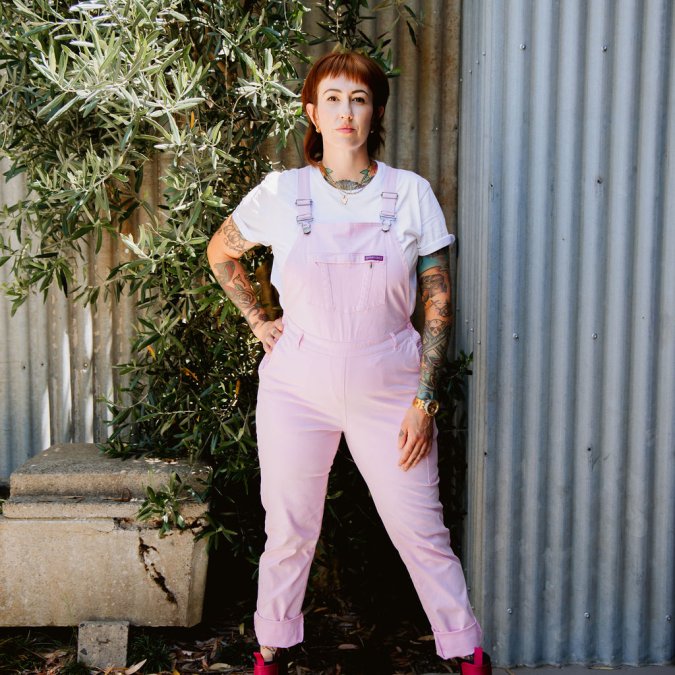
- Overalls with waist buttons adjust for pre, during and post maternity.
Table of Contents
- Start With a Trimester Buying Timeline
- Maternity Workwear Fit: Sizing and Room to Grow
- Maternity Workwear Fabrics That Handle a Full Workday
- Pregnancy Work Outfits by Dress Code and Occupation
- Build a Maternity Workwear Capsule Wardrobe
- Return-to-Work and Postpartum Wear
- Common Mistakes to Avoid When Buying Maternity Workwear
- Conclusion
- Frequently Asked Questions
Start With a Trimester Buying Timeline
Most women buy maternity workwear too late, then rush. A trimester timeline fixes that.
Here at Green Hip, we make women's workwear with room to move, so we know how much fit matters. The best approach is to plan three stages, not one big shop.
- First trimester: Keep your regular workwear. Your body is changing, but most pants and shirts still fit. Buy nothing yet.
- Second trimester: This is when to buy. Add one or two stretchy work pants and a longer shirt. Look for a flexible waistband and room through the hips.
- Third trimester: Add layers, a supportive fit up top, and a jacket that closes over your bump. Comfort wins now.
A common mistake is buying everything at once in week twelve. Your body keeps changing, so a staged plan saves money and returns.
Here is the staged buying plan the article recommends.
| Stage | What to do |
|---|---|
| First trimester | Keep your regular workwear; buy nothing yet |
| Second trimester | Buy one or two stretchy work pants and a longer shirt |
| Third trimester | Add layers, supportive fit up top, jacket that closes over bump |
Maternity Workwear Fit: Sizing and Room to Grow
Maternity workwear fit starts with one rule: buy for the body you have now, not your pre-pregnancy size. Maternity sizing is built with extra room for the belly, hips and bust.
Here is how to choose:
- Check the size guide against your current measurements, not your old ones.
- Look for an adjustable or elastic waistband that moves with you.
- Choose a flexible fit that skims rather than clings.
- Leave room for the belly and hips without sizing up too far.
Our High Rise Pants SKNY Flex 'Every Woman Utility' show how this works. They have a high rise and a back elastic waistband, so they follow your shape instead of fighting it.

Maternity Workwear Fabrics That Handle a Full Workday
Fabric decides whether you get through a full shift in comfort. Look for soft cotton stretch that breathes, moves and holds its shape.
Maternity workwear fabrics should do three things:
- Stretch so you can bend, kneel and reach.
- Breathe so you stay cool on long days.
- Last so the cost per wear stays low.
Cotton-rich drill with a small amount of spandex is a strong choice. For a work shirt built for long, comfortable days, check the Mid Weight Shirt Extended Long Sleeve The Essential for its fabric and sleeve details.
Pregnancy Work Outfits by Dress Code and Occupation
Pregnancy work outfits should match your dress code and your daily tasks. A trade role needs durable, flexible gear. You can browse workwear suited to trade and physical occupations by dress code.
Match the outfit to the dress code
- Business formal: a maternity shift dress or a tailored skirt with a stretch waistband, a longline blouse, and a jacket that closes over the bump. Choose ponte or a firm cotton blend that holds a pressed line rather than a soft jersey that creases.
- Business casual: stretch work pants with a longer top, or a knit dress with a jacket. This is the easiest dress code to dress for pregnancy because a flexible fit reads as smart rather than sloppy.
- Uniformed roles: ask your employer whether the uniform supplier offers a maternity fit or a size-up with an adjustable waist. Many uniform programs have a maternity option that is not advertised on the standard order form.
Match the outfit to the occupation
- Trade and physical roles: stretch work pants with a high rise and back elastic, a long shirt that stays tucked through bending and reaching, and overalls with an adjustable waist. Look for reinforced knees and a fabric weight that resists abrasion.
- Office and professional roles: a shift dress or skirt with a stretch waistband, plus a jacket. Keep one neutral jacket that works over dresses and pants so it earns its place.
- Outdoor and garden roles: high-rise pants, a long-sleeve shirt and a hat, with layers for changing weather. Choose a lighter fabric weight for heat and a mid weight for cooler mornings.
Plan for a full workday, not a photo
Fit that works in the mirror can fail by mid-afternoon. Build your outfit around the whole day:
- Sitting: a waistband that folds or rolls when you sit will dig in by lunchtime. Look for a wide, flat-front waistband with elastic at the back rather than all the way around.
- Standing: compression at the ankle and calf is common later in pregnancy, so choose a leg shape with room through the calf and a hem that does not cling.
- Commuting: layers you can remove on a warm train and add back in an air-conditioned office are worth more than a single heavy piece.
Ask your employer for fit accommodations
If a uniform or protective garment no longer fits, you are entitled to raise it. A practical approach is to ask your manager or work health and safety representative in writing for a maternity fit, a size adjustment, or a temporary alternative garment that meets the same safety requirement. Safe Work Australia and your state or territory work health and safety regulator publish guidance on clothing and PPE fit, and an employer has a duty to manage risks to your health and safety, including risks created by ill-fitting gear.
Build a Maternity Workwear Capsule Wardrobe
A maternity workwear capsule wardrobe is a small set of versatile basics that mix and match. Pre-built bundles make assembling a full workwear capsule quick and simple. Fewer pieces, more outfits, less waste. Most guides list garments; the useful part is the order you buy them in, how many outfits each piece unlocks, and which pieces keep working after pregnancy.
Buy in priority order, not all at once
Start with the pieces that do the most work, then add only when a gap shows up in your week:
- One pair of stretch work pants in your most-worn colour. This is the highest-value purchase because you will wear it two or three times a week.
- One long shirt or top that covers the waistband through bending and reaching.
- A second bottom, a second pair of pants or overalls with an adjustable waist, so you are never washing on a weeknight.
- One jacket or layer that closes over the bump and works over both bottoms.
- One dress or skirt if your dress code calls for it, or a second top if it does not.
- Overalls with an adjustable waist as a late-pregnancy and postpartum piece, when a waistband becomes the hardest thing to wear.
Do the mix-and-match maths
A capsule works when every top pairs with every bottom. With two bottoms, three tops and one layer you get six base outfits and twelve with the layer on or off, enough for a two-week rotation with weekly washing. Pick one colour family so everything pairs: a neutral base (black, navy, charcoal or khaki) with one accent colour gives you more combinations from fewer items.
Choose pieces that survive to postpartum
A capsule is only good value if it keeps working after the baby arrives. Prioritise:
- Adjustable waists that loosen or tighten, so the same garment fits during pregnancy and through postpartum recovery.
- Tops with easy feeding access if you plan to breastfeed, a button placket or a wrap front is simpler than a pull-over.
- Soft stretch fabric that feels good on sensitive skin and recovers its shape after washing.
Check fabric care before you buy
Stretch recovery, washability and opacity decide whether a garment lasts a whole pregnancy and beyond:
- Stretch recovery: a cotton-rich drill with a small amount of spandex should spring back after wearing. If it bags at the knee or seat by afternoon, it will not last the trimester.
- Washability: check the care label for machine washing and tumble drying. A garment that needs dry cleaning will not survive a working week.
- Opacity: hold the fabric up to the light before you buy. Light colours in thin jersey can go sheer when stretched over a bump.
Keep the capsule small on purpose
A common pattern is to over-buy in the second trimester and then find half the wardrobe no longer fits by the third. Buy the minimum that covers your week, add a piece only when you notice a repeated gap, and let the adjustable pieces carry you across stages.
Return-to-Work and Postpartum Wear
Return-to-work wear needs to handle a body that is still changing. Browse Green Hip Workwear Back To Work for workwear designed for the transition back to work after maternity leave. Choose pieces with a flexible fit that work during pregnancy and after it.
Overalls with waist buttons are a smart pick here. They adjust for pre, during and post maternity, so one garment covers every stage. That is real value, not marketing.
Look for:
- Adjustable waists that loosen or tighten
- Soft stretch fabric that feels good on sensitive skin
- Tops that allow easy feeding access if you need it
Common Mistakes to Avoid When Buying Maternity Workwear
The biggest buying mistakes are easy to fix once you know them.
- Buying too early. Wait until the second trimester for most pieces.
- Sizing up instead of choosing maternity fit. Extra room in the wrong place still feels wrong.
- Ignoring the fabric. Stiff fabric limits movement and comfort.
Conclusion
Choosing maternity workwear gets much easier when you plan by trimester, pick flexible fabrics, and build a small capsule that works across your week.
That is exactly what we design at Green Hip. Our workwear is designed by women, for women, in soft cotton stretch fabric with a tailored fit.
Shop the Green Hip range and build a work wardrobe that fits you at every stage.
Frequently Asked Questions
What week of pregnancy do you start wearing maternity clothes?
Most women start needing maternity workwear somewhere between 16 and 20 weeks, though this varies with body shape and whether it is a first pregnancy. The real signal is comfort, not the calendar: once waistbands dig in, shirts pull across the bust, or you cannot bend and squat freely at work, it is time to switch. Buying a few flexible pieces early means you get more wear out of them before and after the bump.
How should maternity workwear fit for a full workday?
Maternity workwear fit should skim rather than cling, with room across the belly, hips and bust and no tight elastic digging in after eight hours. Check that you can squat, reach overhead and climb without the waistband rolling or the fabric pulling. Adjustable waists and stretch cotton fabrics give you room to grow without sizing up so far that the shoulders and legs swamp you. Try pieces on late in the day when bloating is at its peak.
Is it better to buy maternity clothes or just bigger sizes?
Bigger sizes work for a few weeks but usually fail on proportions: the shoulders drop, sleeves get long and the waist sits in the wrong place. Purpose-made maternity workwear keeps the fit correct at the shoulders and bust while adding adjustable room at the waist. Look for pieces with adjustable straps or button waists that work pre, during and post pregnancy, so the cost per wear stays low across the whole term.
What fabrics are most comfortable for maternity workwear?
Cotton-rich stretch fabrics, such as a cotton and spandex drill twill around 290 gsm, balance breathability with durability for physical work. Stretch lets the fabric move with you rather than against you, and cotton keeps you cooler through a long shift. Check the UPF rating if you work outdoors, and favour pre-shrunk fabrics that hold their shape through repeated washing. Avoid stiff, non-stretch fabrics that restrict bending and squatting.
